
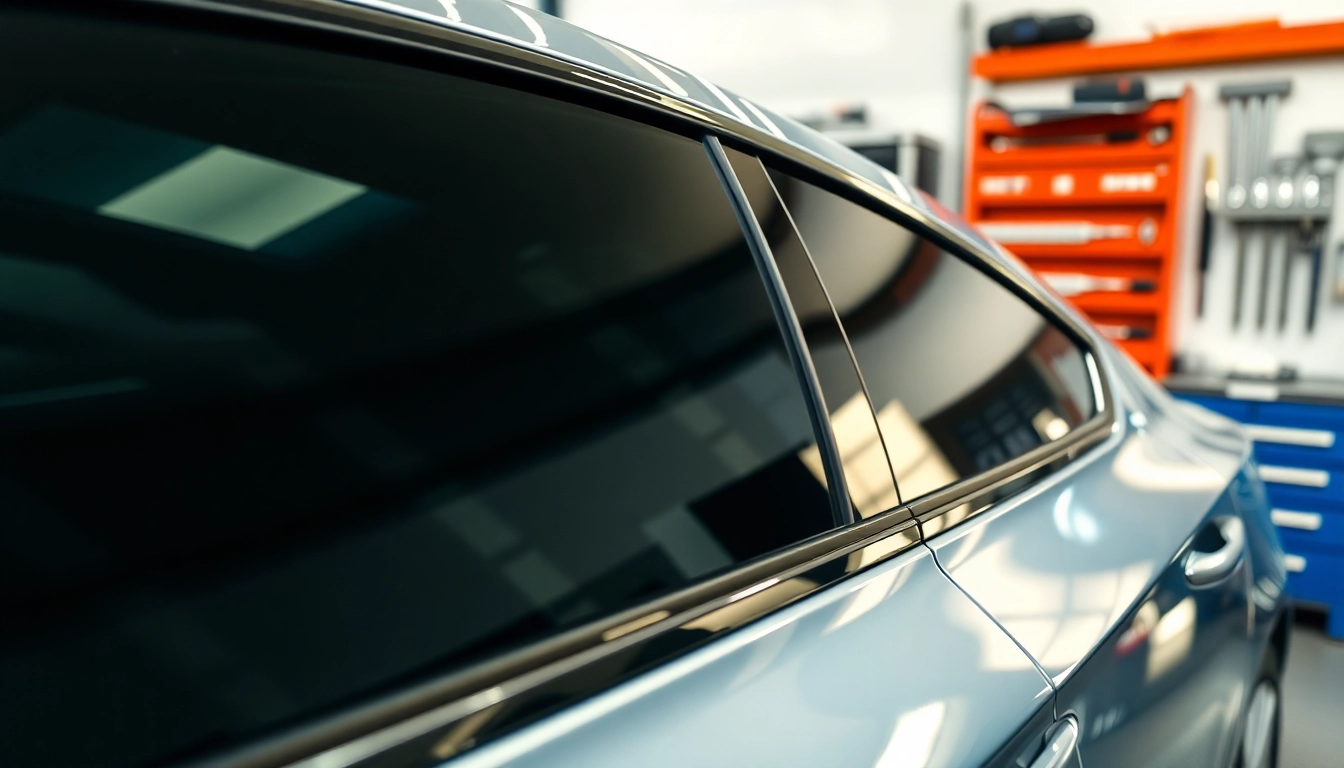
Understanding Ceramic Window Tint
What is Ceramic Window Tint?
Ceramic window tint is a type of automotive window film that utilizes advanced ceramic technology to provide superior heat rejection and UV protection without compromising visibility. Unlike traditional tints, which are dyed or metalized, ceramic window tints consist of nano-ceramic particles that are non-metallic and non-conductive. This innovation allows for enhanced clarity and performance while ensuring the longevity of your vehicle’s interior.
Benefits of Ceramic Window Tint
The benefits of ceramic window tint are vast and impactful. Primarily, ceramic tints provide superior heat rejection, blocking up to 80% of solar heat, which translates into a cooler vehicle and reduced reliance on air conditioning. Furthermore, they offer 99% UV protection, which safeguards passengers and the vehicle’s interior from harmful rays. The film also resists fading, ensuring your vehicle’s aesthetic remains intact.
Another major advantage is glare reduction. By minimizing glare from sunlight, ceramic window tints enhance visibility and driving comfort. They also provide privacy and security, making it harder for potential thieves to see inside. Lastly, ceramic tints come with excellent warranty options, ensuring long-lasting quality and customer satisfaction.
How Ceramic Window Tint Differs from Other Tints
Ceramic window tint stands out among various options available in the market, such as dyed and metalized tints. While dyed tints absorb sunlight, providing minimal heat rejection and limited UV protection, ceramic tints reflect heat while maintaining great visibility. Metalized tints, on the other hand, offer good heat rejection but can interfere with electronic signals, such as GPS or mobile phone reception. In contrast, ceramic tints are non-metallic, allowing for signal pass-through while maximizing heat rejection and UV protection without compromising clarity.
Installation Process of Ceramic Window Tint
Preparing Your Vehicle for Tinting
Before installing ceramic window tint, proper preparation is crucial. Start by thoroughly cleaning your vehicle’s windows. Any dirt, dust, or grease can lead to bubbles or imperfections in the tint once applied. It’s advisable to detail the interior as well, as the installation area will be somewhat enclosed. Removing any removable items like window visors or decals can enhance the quality of the installation. Additionally, ensure that the temperature is appropriate, usually between 40°F and 100°F, for optimal adhesion.
Choosing the Right Professional Installer
Selecting a professional installer is critical to ensuring a quality application of your ceramic window tint. Look for certified professionals with experience in automotive tinting. Reading customer reviews and asking for recommendations can guide you toward trustworthy services. Moreover, a good installer will provide warranties, showing their confidence in their work. Ensure they use high-quality materials and that they are well-versed in your state’s tint regulations.
Things to Consider During Installation
During the installation process, communication with your installer is essential. Make sure to discuss your expectations, including darkness levels and any additional features you’d like. Keep an eye on the installation and ask questions if you’re uncertain about any steps. Additionally, ensure that the installer uses the appropriate tools and techniques to avoid damaging the film or your windows during the process. Post-installation, be aware of the curing period, which can take several days, during which the film may appear cloudy but will clear up as it settles.
Performance and Longevity of Ceramic Window Tint
Factors Affecting Tint Durability
The durability of ceramic window tint is influenced by various factors, including environmental conditions, application quality, and maintenance practices. Exposure to harsh weather conditions, such as extreme heat, cold, or humidity, can put additional stress on the tint. Furthermore, quality installation is paramount; poorly applied tint can peel or bubble prematurely. Choosing high-quality ceramic materials greatly enhances longevity and resistance to fading.
Maintenance Tips for Long-lasting Tint
To maximize the lifespan of your ceramic window tint, routine maintenance is important. Cleaning the windows with a mild soap and water solution, using a soft microfiber cloth, will help prevent scratches and maintain clarity. Avoid using ammonia-based cleaners, as they can degrade the film over time. Additionally, refraining from rolling down windows for at least a week post-installation allows the tint to adhere properly, enhancing durability.
Signs of Wear and When to Replace
Recognizing signs of wear is critical for maintaining your vehicle’s appearance and comfort. Look for bubbling, peeling, or significant discoloration as indicators that your ceramic window tint needs replacement. Other signs include increased heat inside the vehicle or compromised UV protection. It’s advisable to consult with a professional installer if you notice these issues; they can assess the film’s condition and recommend whether a replacement is needed.
Legal Considerations for Ceramic Window Tint
Understanding Tint Regulations by State
Before installing ceramic window tint, it’s essential to familiarize yourself with state regulations. States have specific laws governing the allowable darkness levels and the types of windows that can be tinted. Some states prohibit certain shades altogether, while others may only restrict front windshield tinting. Be sure to research local laws or consult your installer for the latest regulations to avoid potential fines and mandatory removal of the tint.
Permitted Tint Levels
Each state outlines permissible tint levels typically measured by Visible Light Transmission (VLT) percentage. For instance, a 35% VLT means that 35% of light is allowed to pass through the tinted window. States may have different allowances for front, side, and rear windows, making it crucial to adhere to these specifications to maintain compliance. Seek documentation or resources from your local Department of Motor Vehicles (DMV) for detailed regulations.
Consequences of Non-compliance
Failing to comply with state tint regulations can lead to significant consequences, ranging from fines to mandatory removal of the tint. Law enforcement particularly pays attention to overly dark or non-compliant tints during traffic stops. Additionally, repeated violations can lead to points on your driving record, further escalating potential insurance costs. Compliance not only ensures legal standing but also guarantees a safer driving experience.
Frequently Asked Questions about Ceramic Window Tint
Is ceramic window tint worth the investment?
Yes, ceramic window tint offers exceptional heat rejection, UV protection, and clarity. Although pricier, its long-term benefits and durability justify the investment.
How much does ceramic window tint cost?
The cost of ceramic window tint varies based on the vehicle size, type of tint, and installation. On average, prices can range from $300 to $800.
Can I install ceramic window tint myself?
While DIY installation is possible, professional installation is recommended for optimal results. This ensures proper adhesion and prevents issues like bubbles.
Will ceramic window tint block heat?
Yes, ceramic window tint is highly effective at blocking up to 80% of solar heat, providing a more comfortable vehicle interior.
How do I care for my ceramic window tint?
Clean with a gentle soap solution and a microfiber cloth. Avoid ammonia-based cleaners and refrain from rolling down windows for at least a week post-installation.